Difference between revisions of "Western Balkan Power Sector"
From energypedia
***** (***** | *****) m Tag: 2017 source edit |
***** (***** | *****) m Tag: 2017 source edit |
||
| Line 6: | Line 6: | ||
</div> | </div> | ||
<div class="width-1-3"> | <div class="width-1-3"> | ||
| − | < | + | <svgmap width="100%" color="#fff" mark="al, ba, me, mk, rs" mark-color="#080808" flag="true" flag-size=""></svgmap> |
| − | = | + | </div> <!-- closes width 1-3 --> |
| − | |||
| − | |||
| − | </div> <!-- closes width 1-3 | ||
</div> <!-- closes grid collapse --> | </div> <!-- closes grid collapse --> | ||
</div> <!-- closes header-banner --> | </div> <!-- closes header-banner --> | ||
Revision as of 17:50, 17 September 2024
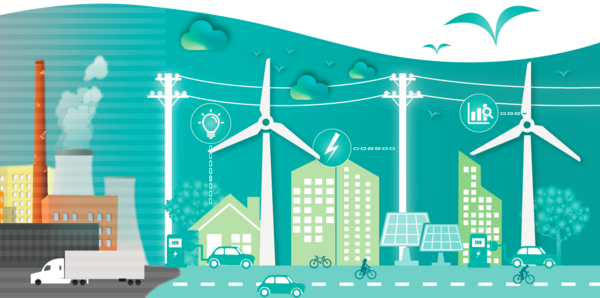
This knowledge hub offers curated materials and information on the power sector in the Western Balkan countries.
Background
- Decarbonisation of the Electricity Sector in the Western Balkans
- Network Integration of Renewable Energies
Institutional Set-up
- Regulatory Frameworks
Cross-Cutting Issues
- Technical Vocational Education and Training (TVET)
Countries
Albania
Bosnia and Herzegovina
Kosovo
Montenegro
North Macedonia
Serbia
Case Studies
Webinars and Workshops