Renewable Energy in Kenya (GIZ) - Renewable Energy

Renewable Energy in Kenya
Energy, Transport and Climate Change Cluster
Objective (DC Program): The modernization of the renewable energy sector contributes to sustainable economic development, improving the quality of life of the population and achieving Kenya's climate targets.
Total Volume: ~ 62.000.000 EUR
Power System Readiness for Variable Renewable Energies
OBJECTIVE: Improve the preconditions for system-friendly and cost-efficient integration of Variable Renewable Energies (VRE) in the Kenyan electricity grid.
2019 - 2023
- Energy policy - Improve capacities to prepare technical facts / statements for policy and public dialogues on VRE power system integration.
- Energy planning - Improve analytical and planning capacities to increase the power system’s VRE-readiness.
- Regulations - Support EPRA to improve regulatory capacities for increasing the power system’s technical and economical VRE-readiness.
- Operations - Provide developers, power plant and grid operators with up-to-date expertise for the VRE - compatible design and operation of the power system.
Commissioning Partners
- German Federal Ministry of Economic Cooperation and Development (BMZ)
- Green Climate Fund (GCF)
- Spanish Agency for International Development Cooperation (AECID)
- Netherlands Ministry of Foreign Affairs (DGIS)
- Norwegian Ministry of Foreign Affairs and the Norwegian Agency for Development Cooperation (NORAD)
- Swiss Agency for Development and Cooperation (SDC)
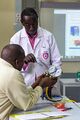
Edward Kamau (standing) taking trainees through a practical training session on safe use of hydrocarbon based refrigerants at the Nairobi Technical Training Institute in Eastleigh, Nairobi.
Source: © GIZ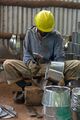
A technician hammers out a lip on a piece of metal to begin the process of building a portable energy saving jiko at Starose Enterprises in Chuka, Embu County.
Source: © GIZ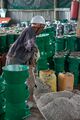
A technician prepares cement mix for portable energy saving jikos at Starose Enterprises in Chuka, Embu county.
Source: © GIZ